Reputable Commercial Snow Removal: Maintain Your Business Safe and Easily Accessible
Wiki Article
Bring Your Vision to Life: Discover the Art of Lasting Landscaping and Native Plant Style
In the world of landscaping and garden design, the principle of sustainability has actually gotten significant grip over the last few years, with several home owners and landscape enthusiasts keen on incorporating green techniques into their outside spaces. The art of sustainable landscaping and indigenous plant style offers an unified method to developing beautiful, practical landscapes that not just improve the visual charm of a building yet also add favorably to the environment. By very carefully selecting native plants, applying water-wise methods, and making with wild animals habitat in mind, one can transform their outdoor space into a growing ecological community that supports biodiversity and preservation initiatives. The trip to bringing your vision to life via lasting landscaping practices is both gratifying and informing, unveiling a globe of possibilities that mix creative thinking with environmental consciousness.
Advantages of Sustainable Landscaping
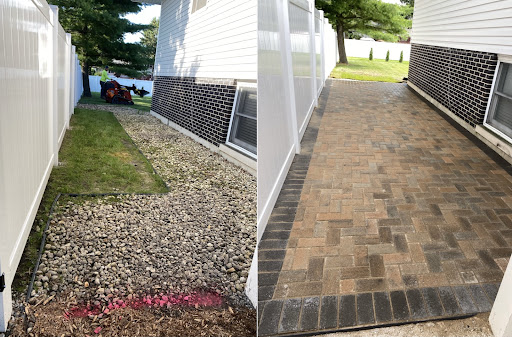
Healthy dirts can much better support plant growth, withdraw carbon, and absorb rains, hence minimizing the danger of flooding and water contamination. Additionally, by incorporating indigenous plants right into landscaping designs, lasting practices help bring back and preserve neighborhood communities, giving food and habitat for indigenous wildlife types.
Finding Indigenous Plants Sensibly
Indigenous plants are inherently adjusted to the local climate, dirt problems, and insects, making them a lasting selection for landscaping. To select indigenous plants carefully, beginning by researching the native types that flourish in your particular area.Another crucial facet to consider when selecting indigenous plants is their upkeep needs. Some native plants are reduced upkeep and require minimal care when developed, while others may require routine trimming, watering, or feeding. By choosing indigenous plants that straighten with your upkeep capacities and horticulture objectives, you can develop a lasting landscape that loves minimal intervention.
Creating for Wildlife Habitat
Integrating components that support and attract wild animals is an important aspect of making a lasting landscape. By integrating native plants, trees, and bushes that provide nectar, seeds, or berries, you can attract pollinators like and butterflies, as well as birds and various other little mammals.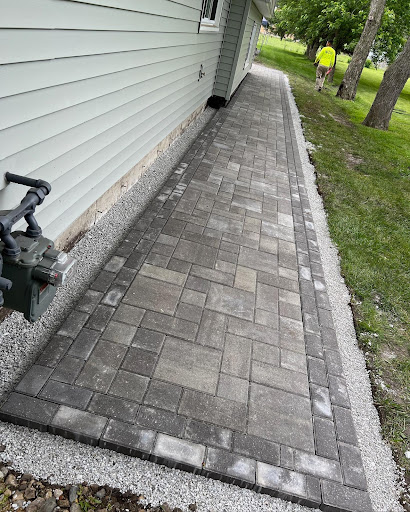
Water-Wise Landscape Design Strategies
One reliable strategy is the use of native plants that are adjusted to the neighborhood climate and need minimal watering as soon as developed. Grouping plants with similar water needs with each other in hydrozones can additionally help lower water waste by guaranteeing that each plant receives simply the right amount of water. By integrating these water-wise landscape design strategies right into your design, you can produce a sustainable and stunning landscape that not just sustains wild animals yet also helps save valuable water resources for future generations.Upkeep Tips for Long-Term Success
Guaranteeing correct upkeep practices is vital for accomplishing long-lasting success in lasting landscaping and native plant design. Regular maintenance not just maintains the landscape looking pristine but also promotes the wellness and long life of indigenous plants while sustaining the total environment. Right here are some crucial maintenance suggestions to enhance the sustainability of your landscape design efforts.Firstly, make certain to keep track of and readjust watering practices as needed - Retaining Walls. Native plants are adapted to the regional environment and dirt conditions, however they might still need additional watering throughout completely dry spells. Using rainfall barrels or drip irrigation systems can help conserve water and ensure plants obtain ample wetness
Secondly, practice incorporated pest monitoring to attend to any type of pest concerns in an ecologically friendly fashion. This method involves identifying pests properly, promoting useful pests, and utilizing targeted treatments just when Outdoor Living required to minimize damage to useful organisms.
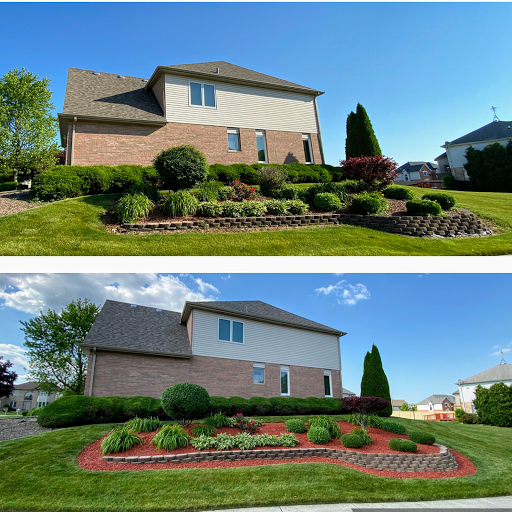
Finally, routine pruning, weeding, and mulching can assist control plant development, suppress weeds, and enhance the soil with natural matter (Retaining Walls). By remaining positive with upkeep tasks, you can produce a lasting and growing landscape that proceeds to prosper for many years ahead
Verdict
Finally, sustainable landscaping and indigenous plant layout deal many benefits, including water preservation, wild animals habitat promotion, and lasting upkeep success. By choosing indigenous plants wisely, developing for wild animals habitat, and executing water-wise landscape design strategies, individuals can bring their vision to life while also adding to ecological sustainability. By complying with these principles, one can develop a beautiful and environmentally friendly landscape that will certainly prosper for many years to come.Furthermore, by integrating indigenous plants into landscaping styles, sustainable methods help recover and preserve neighborhood ecological communities, supplying food and habitat for native wildlife varieties. To select native plants intelligently, start by looking into the native varieties that thrive in your details region. Planting a selection of flowering plants can bring in different pollinators, while giving nesting sites like brush stacks or hollow logs can sustain small mammals and nesting birds. Organizing plants with similar water needs with each other in hydrozones can also assist reduce water waste by making sure that each plant obtains just the ideal amount of water.In verdict, lasting landscaping and indigenous plant design offer various advantages, consisting of water conservation, wildlife environment promo, and long-term maintenance success.
Report this wiki page